
Introduction
Electric bikes have become incredibly popular, and it's easy to understand why. They make commuting easier, extend weekend adventures, and allow riders of different fitness levels to enjoy cycling without feeling exhausted. If you're planning to buy your first e-bike in 2025, the number of choices can feel overwhelming.In my experience, beginners often focus on speed and appearance while overlooking the things that matter most, such as comfort, battery range, and long-term reliability. I've found that taking the time to understand the basics helps new riders make better decisions and avoid expensive mistakes.
Whether you plan to commute, ride recreationally, or replace some car trips, choosing the right e-bike can completely change the way you travel and explore.
Why More People Are Choosing E-Bikes in 2025
E-bikes continue to attract more riders because they offer convenience and flexibility. Rising fuel prices, increased interest in outdoor activities, and improved battery technology have all contributed to their popularity.I've found that many people who never considered cycling before have embraced e-bikes because they make hills, long distances, and daily commuting much more manageable.
Another advantage is accessibility. Riders of different ages and fitness levels can enjoy cycling without feeling intimidated.
Understanding the Different Types of E-Bikes
Not every electric bike is designed for the same purpose.Some of the most common categories include:
- Commuter e-bikes for everyday travel.
- Mountain e-bikes for trails and rough terrain.
- Folding e-bikes for limited storage spaces.
- Cargo e-bikes for carrying groceries or children.
- Hybrid models that combine comfort and versatility.
Choosing the Right Motor
Most e-bikes use either hub motors or mid-drive motors.Hub motors are generally:
- Simpler.
- More affordable.
- Reliable for everyday riding.
- Better climbing ability.
- More natural pedaling feel.
- Improved weight distribution.
Pay attention to how smoothly the motor delivers power rather than focusing only on wattage.
Battery Range and What to Expect
Battery range depends on several factors:- Rider weight.
- Terrain.
- Wind conditions.
- Tire pressure.
- Assist level.
I've found that beginners tend to overestimate how much range they actually need. For many riders, 30 to 50 miles on a charge is more than enough.
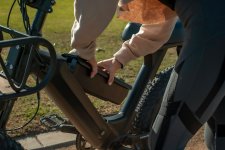
One thing many new riders overlook is proper battery care. Avoid storing batteries in extreme temperatures and recharge them regularly to help extend their lifespan.
Picking the Correct Frame Size
Comfort is one of the most important factors when buying an e-bike.A properly sized frame helps:
- Improve handling.
- Reduce fatigue.
- Increase confidence.
The right frame size should allow you to:
- Reach the handlebars comfortably.
- Maintain a relaxed riding position.
- Put your feet down safely when stopping.
Features Beginners Should Look For
Modern e-bikes come with countless features, but beginners don't necessarily need everything.Useful features include:
- Integrated lights.
- Fenders.
- Rear racks.
- Hydraulic disc brakes.
- Easy-to-read displays.
- Multiple assistance levels.
One thing many new riders overlook is service support. Buying from brands with good dealer networks can make maintenance much easier.
Common Mistakes First-Time Buyers Make
A common mistake people make is purchasing an e-bike solely based on price.Other mistakes include:
- Ignoring frame size.
- Buying more power than necessary.
- Forgetting maintenance costs.
- Skipping the test ride.
- Overlooking battery quality.
How Much Should You Spend on Your First E-Bike?
Prices vary considerably.Entry-level models typically cost less but may use lower-quality components.
Mid-range bikes often provide the best balance between performance and durability.
I've found that spending a little more on quality brakes, batteries, and motors usually pays off in the long run.
Remember to budget for accessories and maintenance as well.
A good helmet, lock, lights, and occasional servicing are all part of ownership.
Safety Gear Every Rider Should Own
Safety should always come first.Essential gear includes:
- A certified helmet.
- Front and rear lights.
- Reflective clothing.
- Gloves.
- A sturdy lock.
Routine maintenance also helps prevent problems. Check brakes, chain condition, and tire wear regularly.

Conclusion
Buying your first e-bike in 2025 doesn't have to be complicated. In my experience, focusing on comfort, battery quality, and intended use leads to better decisions than chasing the most powerful or expensive model.I've found that riders who choose a bike that suits their lifestyle are far happier in the long run. A reliable e-bike can transform daily commuting, encourage more outdoor activity, and make cycling enjoyable for people of all experience levels.
Take your time, test ride several models, and prioritize comfort and safety. The right e-bike can provide years of enjoyable riding and become one of the best investments you make.
Internal Link Opportunity
Related article: What to Check Before Purchasing Used Electric Bicycle (Ultimate Guide)Frequently Asked Questions
1. What type of e-bike is best for beginners?
Commuter and hybrid e-bikes are excellent choices because they offer comfort, versatility, and easy handling.2. How far can an e-bike travel on a single charge?
Most modern e-bikes provide between 30 and 60 miles of range, depending on riding conditions and assist levels.3. Do I need an expensive e-bike as a beginner?
Not necessarily. Many mid-range models offer excellent reliability and performance without the premium price tag.4. What is the most important thing to consider when buying an e-bike?
Comfort, battery quality, and choosing a bike that matches your riding style are usually more important than maximum speed or power.
Last edited: