
Introduction
Owning an electric bike is one of the best ways to enjoy cycling while covering longer distances with less effort. But like any machine, an e-bike needs regular attention to stay reliable and safe.In my experience, proper maintenance doesn't have to be complicated. Most issues can be prevented with a few simple habits and occasional inspections. I've found that riders who spend a little time looking after their bikes enjoy fewer unexpected problems and lower repair costs.
One thing many riders overlook is that an e-bike combines traditional bicycle components with electrical systems. Both need care to deliver the best performance. Whether you commute daily or ride only on weekends, these maintenance tips can help keep your bike running smoothly for years.
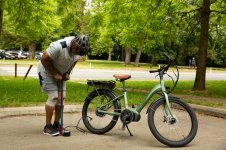
Why Regular Maintenance Matters
Routine maintenance improves:- Safety.
- Reliability.
- Battery efficiency.
- Component lifespan.
- Riding comfort.
A common mistake people make is waiting until something breaks before taking action.
1. Keep Your Battery in Good Condition
The battery is one of the most valuable parts of an e-bike.I've found that proper charging habits make a huge difference over time.
Some simple practices include:
- Charging indoors when possible.
- Avoiding extreme temperatures.
- Using the original charger.
- Storing the battery partially charged if not riding for long periods.
2. Check Tire Pressure Regularly
Tires have a major impact on efficiency and comfort.In my experience, low tire pressure is one of the most common causes of reduced range and sluggish handling.
Properly inflated tires:
- Improve battery efficiency.
- Reduce rolling resistance.
- Increase safety.
- Minimize punctures.
3. Inspect Brake Pads and Rotors
Because e-bikes are heavier and often faster than conventional bicycles, brakes work harder.Look for:
- Worn pads.
- Squealing noises.
- Reduced stopping power.
- Damaged rotors.
A common mistake people make is waiting until the pads are completely worn before replacing them.

4. Clean and Lubricate the Chain
A clean drivetrain improves efficiency and extends component life.In my experience, chain maintenance is one of the simplest and most rewarding jobs.
I've found that regular cleaning and lubrication help:
- Reduce wear.
- Improve shifting.
- Minimize noise.
- Increase efficiency.
5. Tighten Loose Bolts
Vibrations can gradually loosen bolts.Periodically inspect:
- Handlebars.
- Stem bolts.
- Saddle clamps.
- Rack mounts.
- Fenders.
6. Monitor Suspension Components
If your bike has front suspension or rear shocks, they deserve attention too.Check for:
- Oil leaks.
- Unusual noises.
- Reduced travel.
- Excessive play.
7. Keep the Motor Area Clean
The motor itself requires very little maintenance, but keeping the surrounding area clean is important.One thing many riders overlook is allowing dirt and mud to accumulate around the motor housing.
I've found that a gentle wipe-down after wet rides helps prevent grime buildup.
Avoid pressure washers, as high-pressure water can damage seals and electrical components.
8. Inspect Electrical Connections
Electrical connectors should remain clean and dry.Look for:
- Dirt buildup.
- Corrosion.
- Loose connections.
- Damaged cables.
A common mistake people make is ignoring cable wear until problems appear.
9. Store Your E-Bike Properly
Storage conditions affect both mechanical and electrical components.Ideally:
- Store indoors.
- Avoid extreme temperatures.
- Protect the bike from moisture.
- Keep the battery partially charged.
One thing many riders overlook is leaving bikes outside for extended periods. Weather exposure accelerates wear.
10. Schedule Professional Servicing
Even experienced riders benefit from professional inspections.Annual servicing can identify:
- Brake wear.
- Bearing issues.
- Wheel alignment problems.
- Software updates.
- Hidden damage.
Common Maintenance Mistakes Riders Make
A common mistake people make is focusing only on the battery while ignoring traditional bike components.Other mistakes include:
- Neglecting tire pressure.
- Ignoring unusual noises.
- Forgetting chain maintenance.
- Using pressure washers.
- Skipping brake inspections.
- Storing the bike in poor conditions.
One thing many riders overlook is that five minutes of maintenance today can prevent hours of frustration later.
Conclusion
Looking after an e-bike doesn't require advanced mechanical skills. In my experience, regular inspections and a few simple habits go a long way toward keeping everything running smoothly.I've found that riders who stay proactive enjoy better performance, greater reliability, and fewer unexpected expenses. From checking tire pressure to caring for the battery, these small tasks help ensure that every ride remains enjoyable and safe.
Treat your e-bike well, and it will reward you with many miles of dependable service.
Internal Link Opportunity
Related article: How to Charge Your E-Bike Battery CorrectlyFrequently Asked Questions
1. How often should I service my e-bike?
In my experience, a professional inspection once a year is a good idea, although heavily used bikes may benefit from more frequent servicing.2. Should I clean my e-bike after every ride?
Not necessarily, but wiping off mud and dirt after wet rides helps protect components and keeps the bike looking good.3. Can I wash my e-bike with a pressure washer?
No. High-pressure water can force moisture into sensitive areas and potentially damage electrical components.4. What part of an e-bike requires the most attention?
One thing many riders overlook is that both the battery and traditional bicycle parts require regular care. Tires, brakes, and chains deserve just as much attention as the electrical system.
Last edited: