
Introduction
Electric bikes are incredibly reliable, but like any machine, they're not completely immune to occasional issues. The good news is that many common problems are easy to diagnose and sometimes even easier to fix.In my experience, most e-bike troubles aren't caused by major failures. They're usually the result of wear and tear, loose connections, neglected maintenance, or simple oversights. I've found that understanding a few basic troubleshooting steps can save riders time, money, and frustration.
One thing many riders overlook is that an e-bike combines regular bicycle components with electrical systems. Problems can come from either side, which is why it's useful to understand both.
Whether you ride daily or just enjoy weekend adventures, knowing what to look for can help keep your e-bike running smoothly.
Why E-Bikes Occasionally Develop Problems
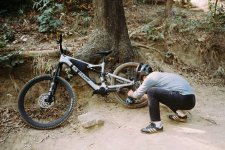
Despite their reputation for reliability, e-bikes experience normal wear over time.Common causes include:
- Dirt and moisture.
- Loose connectors.
- Worn brake pads.
- Tire punctures.
- Battery aging.
- Chain wear.
- Lack of regular maintenance.
A common mistake people make is ignoring unusual noises or minor warning signs until they become serious problems.
Battery Not Charging Properly
Battery charging issues are among the most common concerns for owners.Before assuming the battery has failed, check:
- Power outlets.
- Charger connections.
- Battery contacts.
- Charging cables.
One thing many riders overlook is temperature. Batteries don't like extreme cold. Allowing the battery to warm up indoors before charging can often solve the issue.
Safety tip: never continue using a battery that becomes unusually hot, swollen, or damaged.
Motor Losing Power
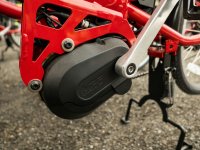
If the motor suddenly feels weak or inconsistent, don't panic.Possible causes include:
- Low battery charge.
- Loose connectors.
- Tire pressure problems.
- Dirty sensors.
- Incorrect assist settings.
I've found that checking tire pressure and battery charge should always be the first step.
A common mistake people make is immediately assuming the motor itself has failed.
Display Screen Issues
Modern displays are generally reliable, but occasional glitches happen.You might notice:
- Blank screens.
- Error codes.
- Flickering displays.
- Incorrect battery readings.
I've found that turning the system off and reconnecting cables carefully often resolves minor display problems.
If error messages continue, consulting the owner's manual or a qualified technician is the safest approach.
Brake Problems
E-bikes are heavier than standard bicycles, which means brakes work harder.Watch for:
- Squealing noises.
- Reduced stopping power.
- Brake rubbing.
- Excessive pad wear.
Safety advice: never ignore weak brakes. Good stopping power is essential, especially when riding at higher speeds.
I've found that replacing brake pads before they become completely worn helps protect the rotors as well.
Flat Tires and Wheel Issues
Punctures are part of cycling life.Common causes include:
- Sharp debris.
- Low tire pressure.
- Worn tires.
- Rough surfaces.
I've found that checking tire pressure weekly helps improve range and reduce flats.
Wheel problems may also include loose spokes or wobbles, which should be addressed promptly for safety.
Chain Slipping or Noise Problems
Noisy drivetrains are surprisingly common.Typical causes include:
- Dry chains.
- Dirt buildup.
- Worn cassettes.
- Misaligned gears.
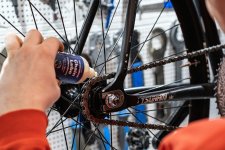
I've found that regular cleaning and proper lubrication keep shifting smooth and quiet.
A common mistake people make is using excessive chain lubricant, which attracts dirt and accelerates wear.
Electrical Connection Issues
Electrical connectors are generally very reliable, but dirt and vibration can cause occasional problems.Inspect:
- Battery terminals.
- Motor connectors.
- Display cables.
- Sensor wires.
I've found that gently cleaning connectors and ensuring everything is firmly seated often solves mysterious electrical issues.
Never force connectors together or use damaged wiring.
Preventive Maintenance Tips
Regular maintenance prevents many common problems.Simple habits include:
- Checking tire pressure weekly.
- Cleaning the chain regularly.
- Inspecting brake pads.
- Keeping connectors dry.
- Charging the battery properly.
- Tightening loose bolts.
A common mistake people make is waiting until something stops working before performing maintenance.
When to Seek Professional Help
Some problems require expert attention.Seek professional assistance if you notice:
- Battery swelling.
- Persistent error codes.
- Major motor issues.
- Damaged wiring.
- Hydraulic brake leaks.
- Structural frame damage.
One thing many riders overlook is that modern e-bikes often require specialized diagnostic tools.
Safety should always come first. If you're unsure, don't take unnecessary risks.
Conclusion
Even the most dependable e-bike will eventually develop minor issues, but most are easier to solve than many riders expect. In my experience, regular maintenance and simple inspections prevent the majority of problems before they start.I've found that learning basic troubleshooting skills makes ownership more enjoyable and far less stressful. Paying attention to unusual noises, keeping components clean, and addressing small issues early can help ensure many years of safe and reliable riding.
Internal Link Opportunity
Related article: E-Bike Maintenance: 10 Things Every Owner Must KnowFrequently Asked Questions
1. Why has my e-bike suddenly lost power?
In my experience, low battery charge, loose connectors, or incorrect assist settings are the most common causes.2. How often should I inspect my e-bike?
A quick inspection before each ride and a more thorough check every few weeks helps catch problems early.3. Why are my brakes making noise?
Squealing may be caused by dirt, moisture, or worn brake pads. Inspecting and cleaning the braking system usually helps.4. When should I take my e-bike to a professional mechanic?
If you notice battery damage, persistent electrical problems, motor issues, or hydraulic brake leaks, professional assistance is highly recommended.
Last edited: